

Saint Stanislaus:
The Bishop Who Gave His Life for Truth and the Church

Step off the crowded avenues of our hurried world for just a moment, and imagine yourself walking the cobblestone paths of Kraków in the eleventh century—where faith was fierce, miracles felt near, and spiritual battles shaped not just souls, but history itself. Here we meet Saint Stanislaus, a heroic bishop whose courageous stand for truth and unwavering love for the Church resound like a bell across the ages.
At Journeys of Faith, the legacy of Bob and Penny Lord invites us to rediscover such saints as living friends, not distant legends. Whether you first encountered Saint Stanislaus in a catechism class, or stumbled upon his story through the well-worn pages of a Lives of the Saints book, his name stirs something deep and stirring in any Catholic heart: a challenge to remain faithful, no matter the cost, and a comfort in knowing that God’s providence shines brightest in our darkest hours.
For those who crave more than just facts—for those who seek the presence of a saintly shepherd who defended the faith with his very life—Saint Stanislaus stands as an enduring model. His miracles linger in the memory of Poland and the universal Church, inspiring countless pilgrims to kneel in the shadow of his tomb, trusting that the same God who upheld Stanislaus walks with us today.
Let us walk together on this story-filled journey of faith, drawing close to a bishop who loved his people, trusted in God’s providence, and became a martyr for Christ. At Journeys of Faith, we believe that the communion of saints—including Saint Stanislaus—remains a source of strength, intercession, and hope for every Catholic soul making their way to heaven.
The Early Life of Saint Stanislaus
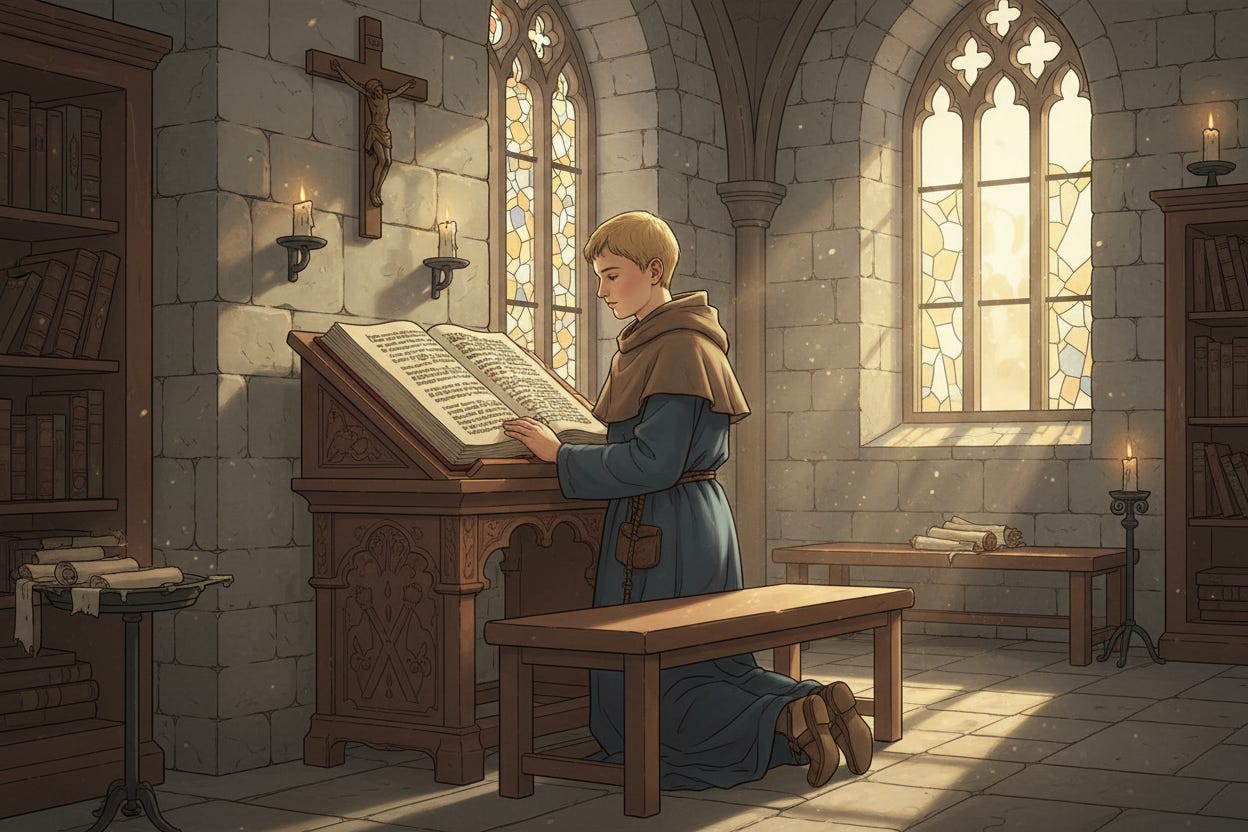
Born in the small village of Szczepanów, Poland, sometime around 1030, Saint Stanislaus grew up in a world where faith was woven into daily life, yet the winds of conflict and corruption often battered the local Church. From his earliest days, Stanislaus was set apart by a humble spirit and a deep piety that stood out, even among the devout families of his time.
It’s easy to imagine young Stanislaus at his mother’s knee, learning to pray the ancient words of the Church, or being led by his father across the rolling Polish countryside to venerable shrines where the faithful begged intercession from long-revered saints. His story is marked by simple but profound encounters—moments where faith was kindled in the home and in the fields, beneath the wide open sky.
As he grew, so did his wisdom and desire to serve. Stanislaus was sent to Gniezno, at that time the heart of Polish Catholicism, to receive a rigorous Catholic education. Books were rare, but what Stanislaus learned was written on his heart: the importance of virtue, obedience to God’s will, and the spiritual treasures hidden in obedience to the Church. The young Stanislaus was known for his kindness to the poor and his longing for justice—a reputation that followed him all his life.
Stories from his youth already hint at the miraculous hand of God on his journey. It’s said that his parents, after years of childlessness, had prayed fervently for a child. Their trust in God’s providence was rewarded with the birth of Stanislaus—a living answer to their novena petitions. In many ways, his entire life was shaped by such providential moments and the gentle whisper of the Holy Spirit guiding his steps.
Saint Stanislaus’s early years formed the bedrock of his later courage and holiness. He knew suffering and sacrifice, but never let them extinguish his gentle piety or bold proclamation of the truth. These roots would one day empower him to stand against kings—gentle and fearless, always trusting in God’s miraculous care.
Bring Saint Stanislaus Into Your Home—Walk the Journey with Us
If Saint Stanislaus’s story has touched your heart, we invite you to take the next step with Journeys of Faith. Our mission—continuing the legacy of Bob and Penny Lord—is to bring Catholics like you deeper into the lives of the saints, the miracles of the Church, Eucharistic devotion, and the loving protection of Our Blessed Mother. Faith flourishes when we surround ourselves with reminders of God’s grace and the powerful intercession of His holy ones.
Consider these ways to let Saint Stanislaus inspire and strengthen your faith:
Explore our exclusive Saint Stanislaus resources Dive into his life with our detailed books and DVDs from Bob and Penny Lord’s original journeys to Kraków and beyond. Perfect for personal inspiration, catechetical settings, or family faith-building.
Bring home a meaningful saintly sacramental Choose from carefully blessed medals, prayer cards, and icons that connect you tangibly to Saint Stanislaus’s intercession and witness for truth.
Share the gift of faith Give a loved one a Journeys of Faith resource, and spark devotion to the Eucharist, Mary, and the Saints.
Browse our Saint Stanislaus collection today, and walk alongside a bishop who lived—and died—for Christ and His Church. Let us journey together in faith and trust!
A Bishop Formed in Faith and Truth
When we look at the life of Saint Stanislaus, we see more than just a bishop in the historical sense—we see a man deeply rooted in faith, a shepherd formed through prayer, sacrifice, and a burning love for the truth of the Gospel. Born into a devout, noble family in 11th-century Poland, young Stanislaus was shaped by the rhythms of Catholic life: daily Mass, Eucharistic adoration, and humble devotion to Our Lady.
Even as a child, Stanislaus’ hunger for holiness set him apart. His parents raised him to trust in God’s providence, often reminding him that Christ is the anchor amidst the storms of life. It was this early formation—courage shaped by Scripture, hope anchored in the sacraments—that gave him a profound strength when called to priestly ministry. Stories from the time recall how Stanislaus would spend hours at prayer, interceding for his flock before the tabernacle, and how he wasn’t afraid to comfort or challenge both kings and peasants alike with the truths of our faith.
As a bishop, Stanislaus did not seek comfort or popularity. Instead, he spoke boldly about justice, mercy, and repentance, even when it set him at odds with the mighty. His devotion was not just in words, but in works: he was known to tend the poor, defend the innocent, and offer heartfelt counsel to the lost and broken. Legends say that miracles followed his intercession—healings, reconciliations, even restoration of life—stirring the hearts of the faithful to deeper conversion and trust in God’s power.
What stands out in the story of Saint Stanislaus is his unwavering fidelity to Christ and the Church. In a world rocked by ambition and moral confusion, he clung to the timeless truths of our faith, even at the cost of his own life. For Catholics today, Saint Stanislaus is a signpost on the road of discipleship—a bishop forged in the fire of prayer, ready to defend the flock and lay down his life for the sake of truth.
The Spiritual Landscape of 11th-Century Poland
Try to imagine the world of Saint Stanislaus—a Poland brimming with possibility, turbulence, and deep, persistent faith. The 11th century was a time when Christianity had begun sinking its roots into the heart of Eastern Europe. At dawn, village bells rang out above fields wrapped in mist, summoning men and women to prayer and Eucharist. Monasteries were rising like little fortresses of hope. The old ways of paganism still lingered at the edges, but the Church, illuminated by the light of Christ, was changing hearts and destinies.
Faith in Poland was not only personal; it was public and communal. Pilgrimages became spectacular acts of devotion—hands clutched rosaries as families journeyed for days toward shrines believed to be blessed by miracles. For many, the Church wasn’t just a building; it was the solid ground beneath their feet, the spark in their daily bread, the guiding hand in moments of doubt or danger. In royal courts and peasant cottages alike, stories spread of miraculous healings, appearances of the Blessed Virgin, and men and women transformed by grace.
But this era was not just one of serene devotion. Behind monastery walls and in the hearts of the faithful, trials flared. The challenges facing the Church were sharp and real. Kings and nobles vied for power; sometimes faith and politics collided in painful ways. Shepherds—like Bishop Stanislaus—were called to become more than administrators. God asked of them profound courage, obedience, and sacrifice. The air was thick with questions: Would truth prevail? Would the flock hold fast to Christ amid worldly ambitions?
It was in this fervent, unsettled landscape that Saint Stanislaus would rise—a living bridge between Gospel ideals and the realities of a world in flux. Amid the swirl of intrigue and spiritual hunger, his witness became a blazing signpost for generations to come: holiness remains possible, even in the most daunting times.
Called to Shepherd Souls as Bishop of Kraków
Saint Stanislaus never aspired to greatness in the eyes of the world, yet the hand of Providence unmistakably guided his path. After years as a humble priest known for his compassion and insight, the clergy and faithful of Kraków called him to be their bishop—a role that would test the depths of his faith, courage, and fidelity to Christ and His Church.
Imagine the spiritual hunger of 11th-century Poland: a nation still young in the faith, wrestling with the temptations of power, the lures of earthly comfort, and the challenges of integrating Gospel values into everyday life. Into this landscape stepped Bishop Stanislaus, gentle yet unwavering, fired by love for Christ and zeal for the salvation of his people. When he walked among the poor, visited villages, or knelt in silent prayer before the Eucharist, stories spread quickly of his miracles—healings, reconciliations, hearts converted by his preaching.
But even more striking was the trust he inspired. People would journey for days—pilgrims carrying burdens and hopes—to kneel at his feet, seeking advice or intercession. His wisdom reflected the Church’s deepest teachings, but also the tender heart of a true shepherd. Stanislaus was no distant ruler. He was a father, a counselor, and a friend dedicated to guiding souls to heaven, no matter the cost.
As bishop, Saint Stanislaus’s commitment to truth increasingly put him at odds with the powerful. Yet he placed all his confidence in divine providence, reminding himself and his flock that our true security isn’t found in earthly protection, but in God’s unfailing love for His children. Through storms and strife, Bishop Stanislaus’s steadfast faith became a beacon—showing that, even in the dark valleys, Christ walks with His Church, and His saints stand as living proof of that promise.
The Conflict with King Bolesław
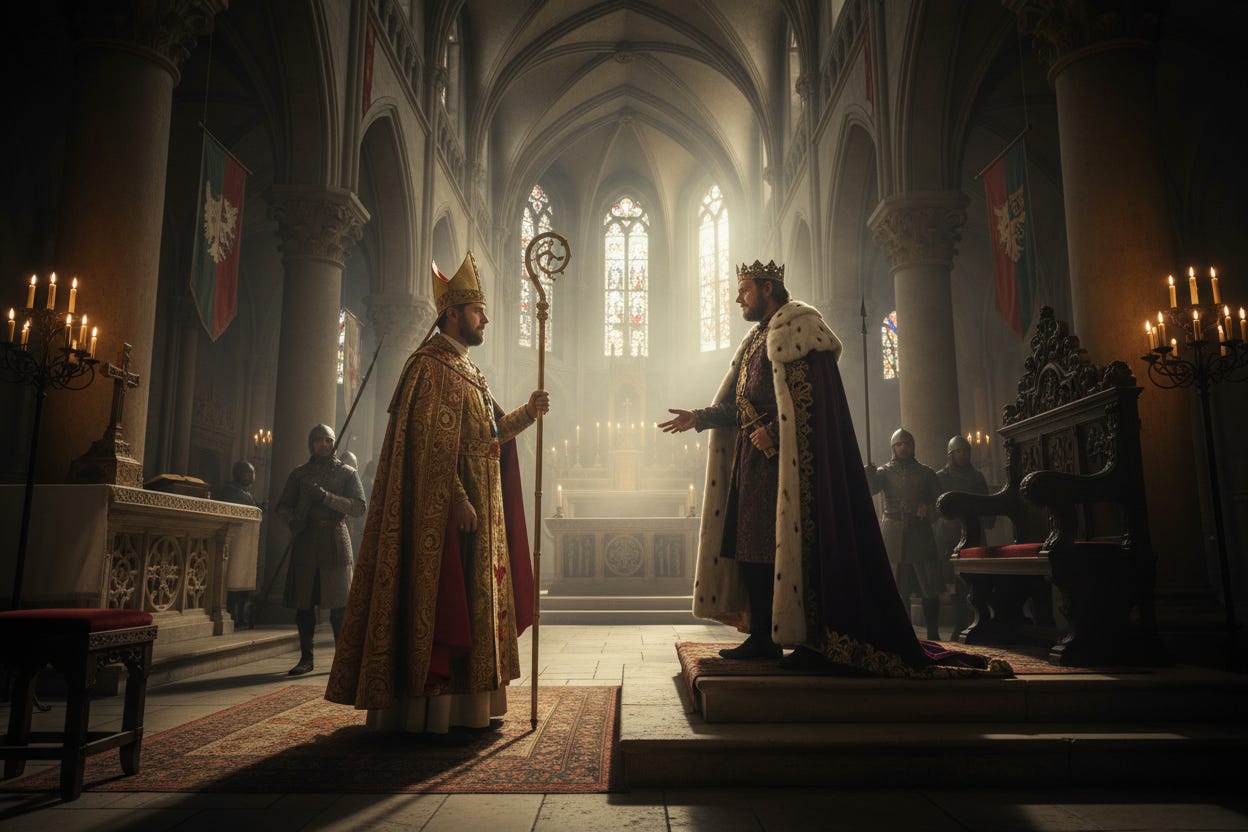
It is impossible to tell the story of Saint Stanislaus without pausing at the crossroads where truth and power collided. In those tumultuous years of the 11th century, Poland’s throne was occupied by King Bolesław II, a brilliant but tempestuous ruler. The king’s victories in battle were famed, and his drive to strengthen Poland was matched only by his volatile temper. But within the courts, whispers grew louder—accusations of injustice, cruelty, and disregard for God’s commandments began to stain the royal name.
Saint Stanislaus, Bishop of Kraków, was not one to turn away when righteousness was on the line. Motivated by a profound faith and pastoral love, he stood as a spiritual father for clergy, laity, and even the king himself. Stanislaus urged repentance and justice, always speaking the truth in charity, but refusing to compromise God’s law for worldly favor.
As corruption increased, their relationship reached a crisis. Stanislaus openly confronted Bolesław, not with malice or rebellion, but with the courage that comes from trust in Divine Providence. He admonished the king both publicly and privately, demanding restitution to those wronged—particularly over a bitter case of confiscated land belonging to the Church.
The bishop’s intervention set off a chain reaction. Some sources record miraculous elements—witnesses silenced by fear, property boundaries confirmed by supernatural means—reminding us that God often reveals His justice in ways that defy explanation. But the greater miracle was Stanislaus’s steadfastness. Pilgrims who visit Kraków today still speak of the palpable reverence at the site of his martyrdom, a holy trembling that comes from standing where a shepherd once challenged earthly power in the name of a King higher than any crown.
For faithful souls grappling with injustice, Saint Stanislaus’s ordeal becomes a torch in the darkness—an enduring testimony that truth is never comfortable, but always worth defending. His witness remains a source of encouragement for Catholics who face opposition, both in their personal lives and within the world. The legacy of his conflict with King Bolesław is written not just in parchment, but in the hearts of all who, like Stanislaus, dare to declare: God alone is King.
The Excommunication of a King
Imagine the courage it takes for a shepherd of souls to rise up and confront earthly power—especially when that power is a king. Saint Stanislaus, Bishop of Kraków in the eleventh century, lived in a world where lines between faith and politics were tightly intertwined, and where upholding the truths of the Church was a matter of eternal consequence. The miracle is not only that he stood up to King Bolesław II, but that he risked everything—his reputation, his ministry, his very life—for the truth handed down from Christ and His apostles.
The conflict between Stanislaus and the Polish monarch brewed over years. The king, once allied in faith with his bishop, grew increasingly reckless and cruel—a ruler feared more for his tyranny than his righteousness. Moved by faith and love for his flock, Saint Stanislaus began to admonish Bolesław, urging him to repent and change his ways. Can you picture the scene? A humble bishop, armed not with a sword but with the Cross, standing before royal might, calling a king to conversion.
When the king refused to listen, persisting in grave injustices against his people, Stanislaus took the unthinkable step. In holy fear of God and the weight of his office, he excommunicated King Bolesław—a spiritual sentence meant not for humiliation, but for the salvation of a soul. Excommunication was the Church’s ultimate medicine, the sternest call to repentance, and yet it placed Stanislaus directly in danger.
It’s the kind of dramatic, faith-filled episode we pilgrims contemplate when we kneel at the altar rail—reminding ourselves that the Church’s teaching authority, the courage of her bishops, and the miracles of integrity and faith often bloom where the world sees only scandal and defeat. Through Saint Stanislaus’ decision, God’s providence shone: a reminder that heaven’s authority surpasses any earthly throne, and that true charity sometimes calls for the hardest truths, spoken with love and unshakable trust in God’s will.
Martyrdom at the Altar of God
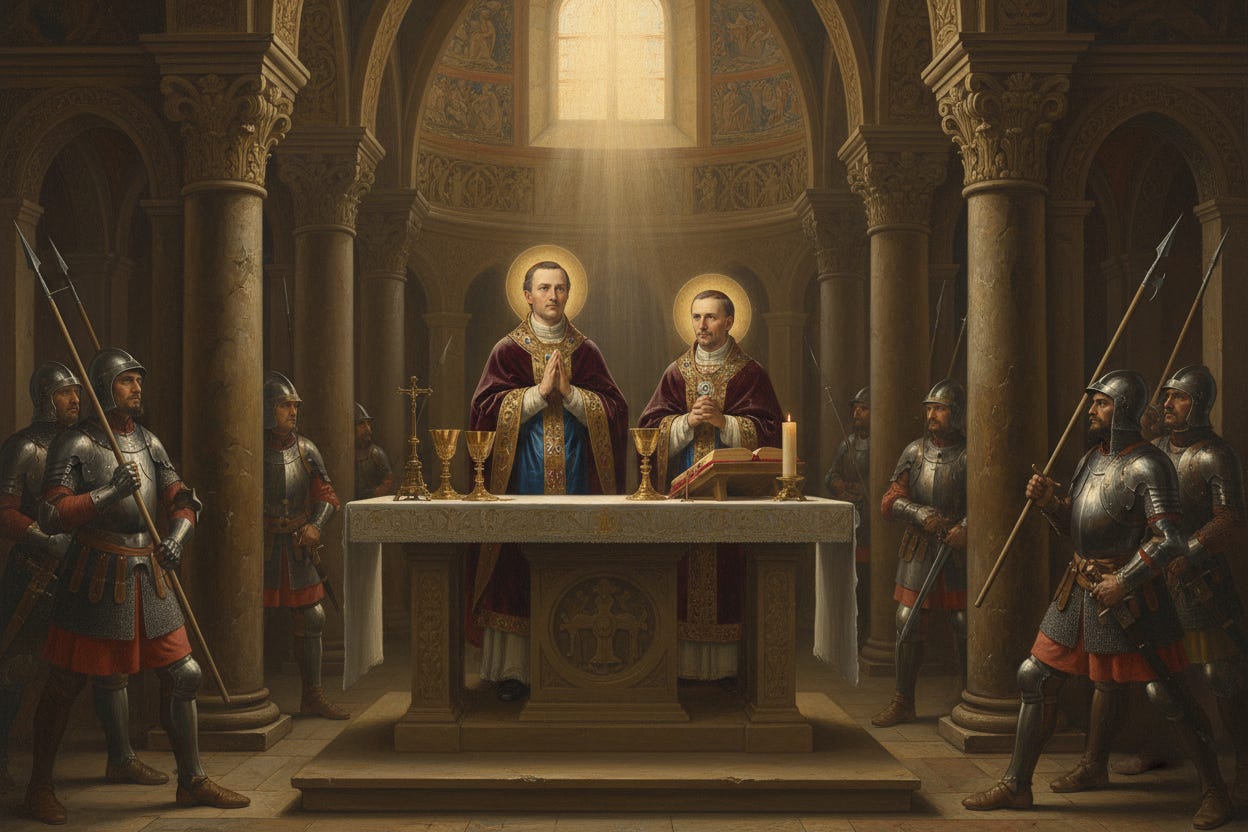
It all culminated—painfully, gloriously—at the foot of the altar. Saint Stanislaus, shepherd of souls and voice of the voiceless, had become a towering sign of contradiction in his native Poland. He was no stranger to the tumult of the world, or the weight of speaking truth to power, but nothing could have prepared the faithful for what transpired in Kraków’s beloved church on that fateful day.
Picture the scene: Stanislaus, celebrating Mass, was surrounded by his flock—those who had come seeking God’s grace and comfort. Into that sanctuary, the chill of worldly wrath crept in as King Bolesław, enraged by Stanislaus’s courage and unwillingness to compromise moral truth, stormed the altar. The priests and people looked on, helpless, as the sacred rites were pierced by violence. Yet Stanislaus did not falter. He did not run. He fixed his gaze on Christ—his sole refuge and hope.
It was on that altar, before the Eucharistic Lord he loved so dearly, that Saint Stanislaus embraced martyrdom. His blood stained the sanctuary, becoming a silent offering, mingled with the prayers of centuries. For those present, it was a moment forever seared into memory—an echo of Calvary itself.
In the days and years that followed, stories spread of miracles at Stanislaus’s tomb. Pilgrims recount healings and graces received there—a sure sign that heaven itself bore witness to his sacrifice. Those who kneel where he fell do so not only in grief but in trust, knowing that martyrdom is never in vain. Saint Stanislaus’s steadfast faith encourages all of us: when truth calls for courage, when the Church faces trials, we are not alone. God provides strength for those who love Him to the end.
Why Saint Stanislaus Was Killed
For those who journey in faith and walk the pilgrim’s road, the story of Saint Stanislaus strikes a deep chord—a testimony of courage, conscience, and devotion that echoes through centuries. The tale of his martyrdom is not one of simple conflict, but of steadfast fidelity to Christ and His Church, even when the cost was life itself.
Saint Stanislaus, Bishop of Kraków, lived in a turbulent era marked by political intrigue and moral decline. Poland’s King Boleslaus II, though a Christian in name, allowed his heart to harden. He disregarded the teachings of the Church and set himself above the law of God, twisting the cause of justice. In the face of such darkness, Saint Stanislaus stood as a solitary shepherd, refusing to betray the flock entrusted to him.
What set Stanislaus apart was not only his holiness, but his willingness to admonish the powerful. Time and again, he called King Boleslaus to repentance, challenging him to return to virtue and amend his ways. Saint Stanislaus’ voice became a living conscience for a nation at a crossroads—a mirror that forced the king to face his own sins.
In the end, Stanislaus excommunicated the king, a last, desperate effort to save his soul and restore order. This act of courage was met not with humility but with rage. Consumed by fury and fear of losing power, King Boleslaus ordered the bishop’s death. When no one else dared raise a hand against a man of God, the king himself struck the blow. In 1079, at the altar, during the Holy Sacrifice of the Mass, Stanislaus laid down his life—a martyr for truth, a signpost pointing to the authority of Christ above all earthly kings.
Saint Stanislaus’ martyrdom is not simply a legend; it is a living challenge to each of us. Are we willing, in our own time, to stand for truth, even when it costs dearly? His witness remains a beacon for all who seek to follow Christ without compromise, trusting that God’s providence can turn even the blood of martyrs into the seed of faith for generations to come.
Miracles and Signs Following His Death
The story of Saint Stanislaus does not end with his martyrdom. In fact, for many Catholics on pilgrimage to his shrine in Kraków, some of the most moving testimonies arise from the miracles and strange wonders that followed his death. The faithful have spoken, generation after generation, of the abundance of graces obtained at his tomb and the mysterious signs that seemed to confirm his holiness.
Almost immediately after his tragic execution, witnesses began reporting extraordinary phenomena. Many chroniclers of the time describe how the air itself seemed to mourn; unusual atmospheric events, lights, and even an aura of peace enveloped his burial place. The Christian faithful, inspired by Stanislaus’ sacrificial love for truth, crowded the church now holding his remains, drawn by a sense that heaven was especially near.
Miraculous healings became regular occurrences. Pilgrims told of the sick being restored to health, and families beset by troubles finding sudden and lasting peace after invoking the intercession of Saint Stanislaus. People spoke of physical ailments mysteriously vanishing, of the lamed being able to walk home on their own, and of hearts previously burdened by sin or grief discovering new hope.
Most moving, perhaps, are the accounts of reconciliation—long estranged family members, warring parties, even enemies reconciled on their knees at his tomb. The presence of Stanislaus seemed to work not only physical miracles, but also deep transformations of the heart. His memory called to mind that faith can lead to conviction, courage, and forgiveness.
Over the centuries, as Poles and Catholics from every nation flocked to Kraków, the stories only multiplied. The faith of the people and the Church’s recognition converged, confirming what so many already knew in their hearts: Saint Stanislaus, the martyr-bishop, had become a powerful intercessor before God’s throne. Even today, the echoes of those early miracles continue to draw prayerful pilgrims who long for healing, unity, and a deeper trust in God’s providence.
Saint Stanislaus as Patron of Poland
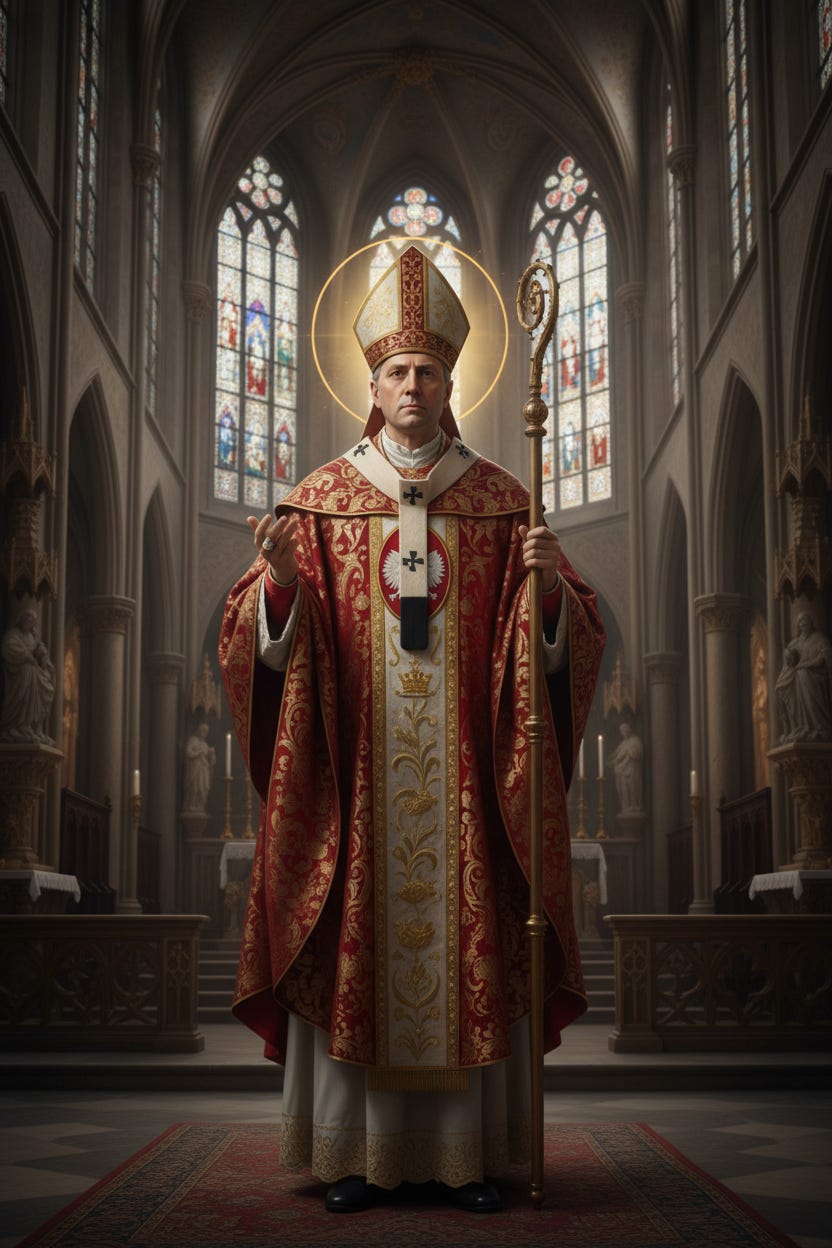
Standing in the heart of Kraków, you can almost feel the faith radiating from the tomb of Saint Stanislaus. For countless pilgrims, seeking his intercession is more than a national tradition—it is a spiritual homecoming. Saint Stanislaus, the beloved Bishop and Martyr, is not just a historical figure in Poland’s past; his presence endures as patron and protector of the Polish people.
Stories ripple through Polish Catholic families—miracles at his shrine, graces received after a whispered novena, and moments of rescue during the darkest chapters of the nation’s history. In times of foreign occupation or oppression, generations looked to Saint Stanislaus, trusting that his courage and faith would ignite their own hope. Throughout centuries, his figure has become intertwined with the very soul of Poland, a symbol of both resistance and reconciliation.
It is told that after his martyrdom, the division of Stanislaus’s body mirrored the fragmentation of Poland itself. And, in those same stories, when his body was miraculously restored by God, the Polish faithful saw a promise of their nation’s healing and renewal. Each year, throngs of pilgrims travel to his relics, carrying prayers for their families, their country, and for the grace to remain faithful amid trials. Saint Stanislaus is invoked not just by Poles, but by Catholics around the world who see in him the power of standing courageously for truth, trusting always in God’s providence.
Conclusion: Saint Stanislaus—A Light for Pilgrims, A Witness for Our Times
Saint Stanislaus’s story is a radiant reminder that the Church’s heroes are not distant legends, but living signs of Christ’s truth in every age. His unfailing courage in the face of injustice, his devotion to the Eucharist, and his willingness to sacrifice everything for the integrity of the Church still echo across the centuries, inviting us to trust ever more deeply in God’s providence. So many pilgrims have knelt at his tomb, prayed for courage in their own trials, and experienced his intercession—sometimes even miracles or powerful conversions.
At Journeys of Faith, we know these stories well. Like Bob and Penny Lord before us, we believe the lives of the saints speak to our hearts today and guide us through the challenges we face. If you are drawn to Saint Stanislaus’s unwavering faith, we invite you to journey deeper—explore his life, pray for his help, and open your heart to the God who worked wonders through him. Let his testimony inspire a renewed trust in Jesus and His Church, and draw you closer to the communion of saints. The story of Saint Stanislaus stands as a timeless assurance: every act of fidelity is precious in God’s eyes and will bear fruit, even in the darkest moments.